







Search Results for: brewing with coffee grounds
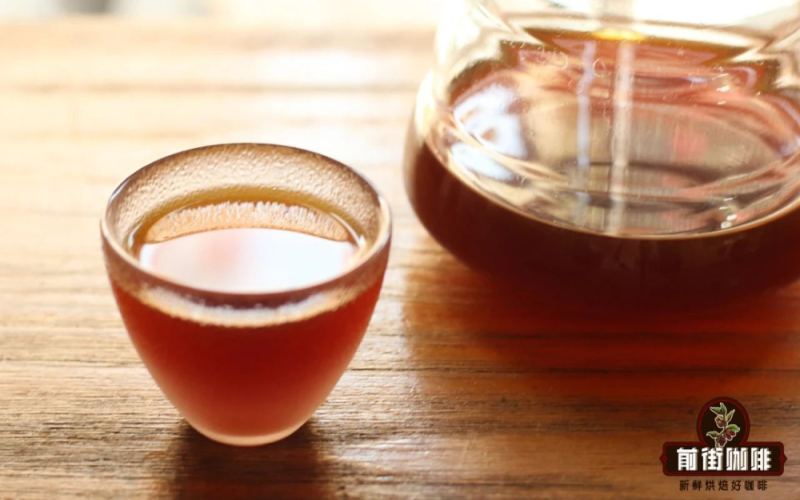
Coffee Beans or Ground Coffee? Front Street Explains the Brewing Methods and Storage Tips for Freshly Ground Coffee
Enjoying a good cup of coffee at home involves careful consideration at every step, from selecting beans and grinding to brewing equipment. In this article, Front Street Coffee answers questions for those who are new to coffee: How should you brew coffee after grinding the beans? Why is buying pre-ground coffee not a wise choice? We will outline five common methods for brewing ground coffee—decoction, pressure, gravity, infusion, and cold brew—and share practical tips on bean resting, storage, and using drip bag coffee. Whether you prefer the rich body of a French press or the layered complexity of pour-over, you will find an option that suits you here. [more…]
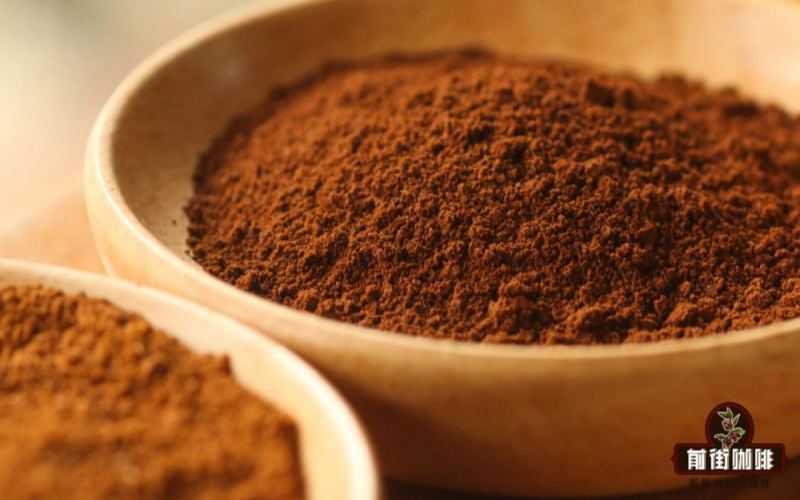
Brewing with Coffee Grounds | Can you use espresso grounds for pour-over coffee? What are the key points to note when making pour-over black coffee with fine coffee grounds?
Recently, a customer asked Front Street what to do when the coffee beans they bought were ground too fine, suitable for making espresso. I believe many friends have encountered this situation: the ground coffee they bought turned out to be too fine. If brewed with the usual pour-over parameters, it would definitely over-extract. Does that mean it has to be thrown away and can't be used? Today, Front Street will share with everyone [more…]
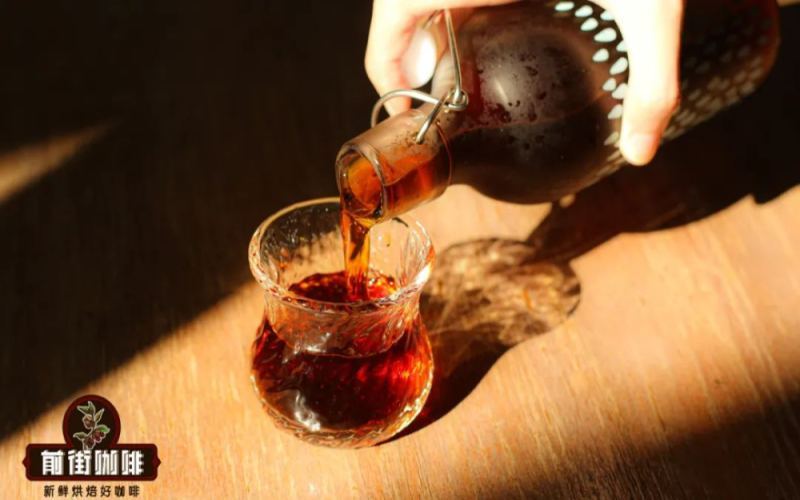
Why Is My Cold Brew Coffee Too Weak? A Complete Guide to Improving Extraction Strength with Tea Bags
Many people making cold brew coffee at home find that even when they use a higher coffee-to-water ratio, the resulting brew still tastes disappointingly weak, and they start to wonder whether they are simply missing professional cold brew equipment. In fact, the problem usually lies in the extraction method itself. In this article, Front Street Coffee will analyze the root causes of weak cold brew and share a practical little trick—using a non-woven tea filter bag to hold the coffee grounds for steeping—so you can significantly boost the strength of your cold brew without buying a dedicated cold brew bottle. The article also verifies the actual effectiveness of tea-bag cold brew through a comparative experiment using two groups of beans, a light roast and a dark roast, and includes specific operational recommendations. [more…]
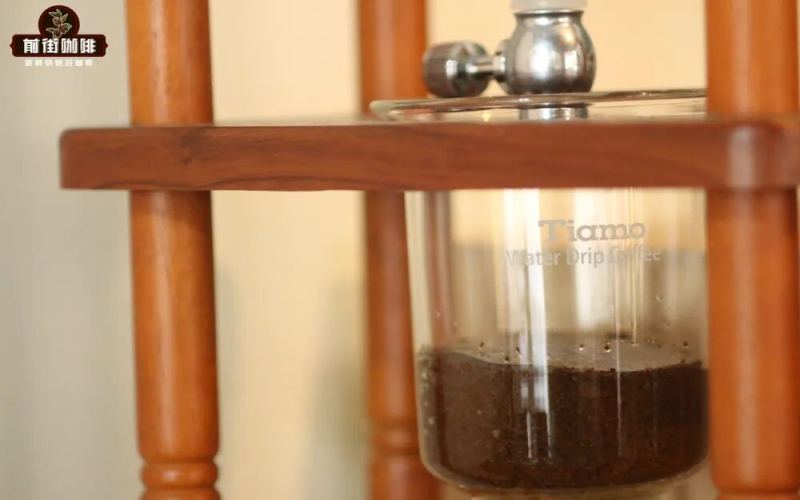
Cold Brew Coffee | Which coffee beans are suitable for cold brew coffee? What is the process for making cold brew coffee? How fine should the coffee grounds be ground for cold brew?
Making a delicious cold brew coffee requires attention to many details, such as the choice of cold brew coffee beans, grind size, coffee-to-water ratio, drip rate, storage and shelf life, and so on. So today Front Street will cover all these operational details in this article. 1. Coffee beans for making cold brew: both cold brew and ice drip belong to low-temperature extraction. [more…]
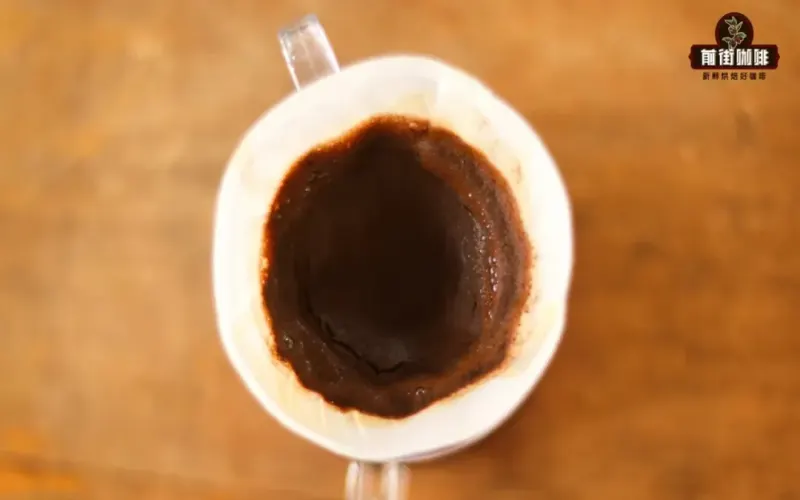
How to Fix Coffee Ground Too Fine for Pour-Over? Muddy Flow Stirring Brewing Method Explained and Practical Parameters Shared
When brewing pour-over coffee, if the filter basket ends up with a thick, muddy bed of grounds instead of distinct, granular particles, it often means the coffee was ground too fine, which easily leads to over-extraction. When faced with the dilemma of pre-ground coffee that cannot be made coarser, besides switching to immersion extraction, there is another distinctive approach using high concentration and low extraction—the mud flow. It uses extremely fine grinding combined with agitation to rapidly dissolve flavor compounds in a short time, then dilutes with hot water, resulting in coffee with a normal extraction yield and full flavor. In this article, Front Street will explain in detail the principles and specific operating parameters of the mud flow, helping you easily tackle the problem of coffee grounds that are too fine. [more…]
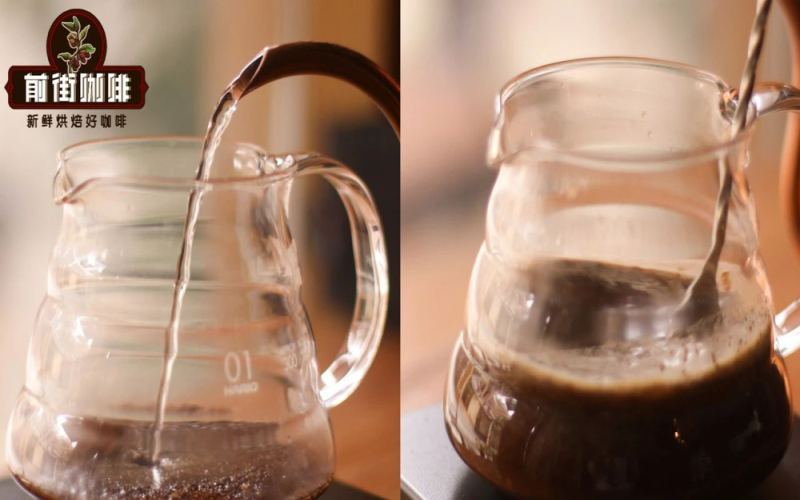
Can Espresso-Ground Coffee Be Used for Cold Brew? A Detailed Guide to Immersion Ratios, Time Adjustments, and Practical Methods
Cold brew is widely recognized as the lowest-barrier way to make iced coffee—all it takes is steeping in cold water. But many coffee lovers wonder: can espresso-ground coffee, which is extremely fine, also be used to make cold brew? This article explores that question. It first outlines cold brew's flavor characteristics and bean selection recommendations, then provides the standard cold brew water-to-coffee ratio, grind size, and step-by-step instructions. Finally, addressing the particular nature of espresso grounds, it explains how to avoid over-extraction by shortening the steeping time and increasing the water-to-coffee ratio, with specific parameters and tasting suggestions included. The article recommends suitable beans such as Front Street Coffee's Huakui, Butterfly, Strawberry Candy Espresso, and Indonesian Lintong Mandheling, helping readers easily make clean, delicious cold brew at home. [more…]
The Complete Guide to Making Cold Brew Coffee: From Bean Selection to Coffee-to-Water Ratio, Can Espresso Grounds Be Cold Brewed? All Explained Clearly
Cold brew coffee is the easiest of all brewing methods to master—no professional skills required, and even coffee beginners can easily make a delicious glass of iced coffee. Drawing on the practical experience of Front Street Coffee, this article systematically covers the flavor characteristics and key production points of cold brew coffee, including recommendations for coffee beans suitable for cold brewing, suggested coffee-to-water ratios and grind sizes, the complete steps for steeping and filtering, and how to store cold brew coffee. In addition, in response to the question many enthusiasts have about "whether espresso grounds can be used to make cold brew," Front Street also provides adjustment solutions based on actual testing, with detailed explanations covering everything from parameter settings to taste performance, helping you avoid common pitfalls and consistently produce a clean, smooth, and full-flavored cup of cold brew coffee at home. [more…]
American Drip Coffee Maker Operation Guide: A Detailed Explanation of Coffee Grounds Amount, Coffee-to-Water Ratio, and Brewing Process
Want to easily make a cup of hot Americano at home without being put off by complicated brewing steps? A drip coffee maker may be the most effortless choice for beginners. It is intuitive to operate and follows a standard process, and brewing a pot usually takes only five to eight minutes. This article will systematically explain the correct use of a drip coffee maker from the aspects of model capacity, water standards, coffee powder dosage, and usage steps. It will also explain the difference between it and an espresso machine in making Americano, the suitable grind size, and several compatible coffee beans recommended by Front Street Coffee, helping you consistently recreate a smooth cup of hot or iced Americano at home. [more…]
Coffee Brewing Tutorial | What Is Puck Management? Does the Coffee Puck Affect the Taste of Pour-Over Coffee? How to Master Puck Management to Make Coffee Taste Better?
We often hear experienced coffee enthusiasts or bloggers say something like this: "Master your puck bed management, and your pour-over coffee will taste better!" Some friends find this quite puzzling! Since they've just started out, they haven't even had the chance to figure out what exactly a puck bed is, let alone manage it. [more…]
Portable Coffee Recommendations | What Is Drip Bag Coffee? What Are the Wrong Ways to Brew Specialty Drip Bag Black Coffee? What Is the Right Coffee-to-Water Ratio for Drip Bag Coffee?
For more specialty coffee knowledge, please follow our WeChat public account: Front Street Coffee (FrontStreet Coffee). In recent years, coffee culture has continued to deepen, and many coffee lovers need a cup of coffee every day to have the energy to "grind away." However, not everyone can always go to a coffee shop to savor it properly. [more…]
Pour-Over Coffee Practical Guide: Complete Parameters from Grinding and Water Temperature to Coffee-to-Water Ratio, Plus an Analysis of Eight Major Brewing Methods
Want to brew a delicious pour-over coffee? How exactly should you set the grind size, water temperature, and coffee-to-water ratio? This article first outlines the general principles of coffee brewing, then breaks down one by one the operating details, advantages, and disadvantages of eight brewing methods, including siphon, water drip, espresso, paper filter, piston pot, Belgian pot, and moka pot. No matter which device you usually use, you can find reference parameters and steps here. At the end, it also gives specific suggestions based on Front Street Coffee beans to help you put theory into daily practice. [more…]
From Grinding to Extraction: A Detailed Guide to Grinding Methods and Four Major Brewing Techniques for Specialty Single-Origin Coffee
To make a delicious single-origin coffee at home, good beans alone are not enough—the grind size, water temperature, and extraction method all directly affect the final flavor. This article starts with the principles of coffee grinding, sorts out the differences between the three grinding methods of grinding, pounding, and mortar grinding, and systematically introduces the four major categories of brewing techniques: decoction, pressure, gravity, and infusion-filtration, covering the key operating points of classic equipment such as Turkish coffee, moka pot, French press, and vacuum coffee maker, helping coffee enthusiasts find a brewing solution that suits them. [more…]
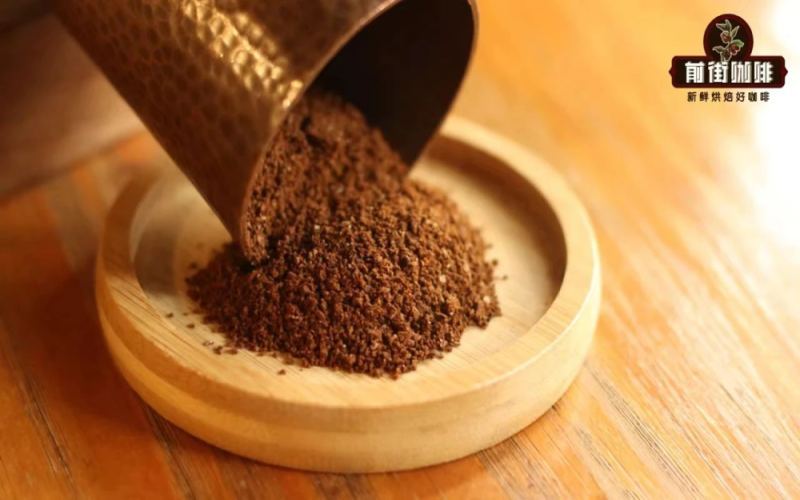
How do you determine the grind size for pour-over coffee? Can coffee grounds be brewed directly?
In the process of making pour-over coffee, water temperature, grind size, and coffee-to-water ratio are the three key variables that affect the final flavor. Among them, grind size directly determines the particle size and uniformity of the coffee grounds, which in turn affects the efficiency with which water extracts flavor compounds as it passes through the coffee bed. So, when faced with coffee beans of different characteristics, how do we find the most suitable grind setting? And when the grind is too fine or too coarse, what typical signs show up during brewing? In this article, Front Street Coffee will systematically explain the mechanism by which grind size affects extraction, and introduce a method that uses a standard sieve to accurately determine whether the grind is appropriate, helping you adjust grind parameters on a more informed basis in your daily brewing. [more…]
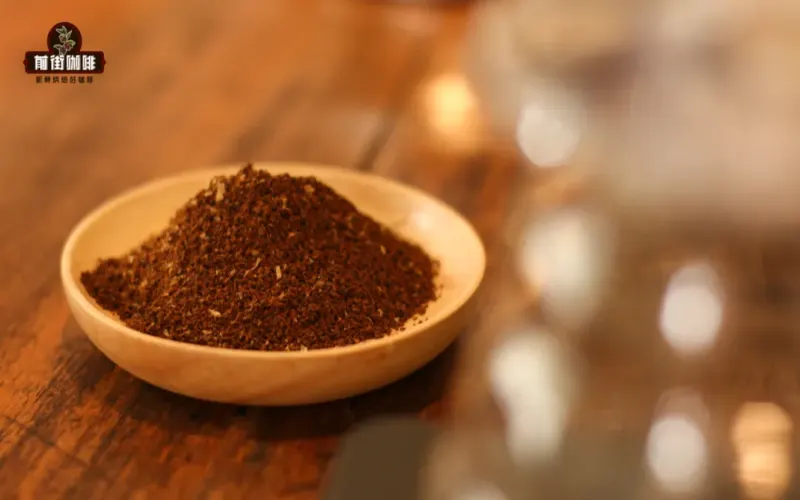
What Is the Difference Between Freshly Ground and Pre-Ground Coffee? The Principles Behind Drip Bag Coffee and Tips for Brewing a Delicious Cup
They're both coffee grounds, so why do some people insist it has to be freshly ground? What are the real differences between freshly ground and pre-ground coffee? And how exactly is drip bag coffee made? From the perspective of Front Street, this article breaks down one by one the essential differences between freshly ground coffee and pre-ground coffee, explains the critical impact of freshness on flavor expression, and further introduces the birth process of drip bag coffee as well as the brewing tips that make it taste better—helping coffee lovers avoid detours in their daily choices and brewing. [more…]
Cold Brew Coffee Recipe and Coffee Bean Recommendations | How Beginners Can Make Cold Brew at Home: Grind Size, Water Temperature, Time, and Ratio for Cold Brew
What is cold brew coffee? Cold brew coffee is Cold Brew Coffee, also known as cold-brewed coffee, ice-brewed coffee, or cold-brewed coffee. Put the ground coffee powder into room-temperature water, soak and extract for 12 hours, then filter out the coffee grounds, and the coffee liquid obtained is cold brew coffee. Cold brew coffee [more…]
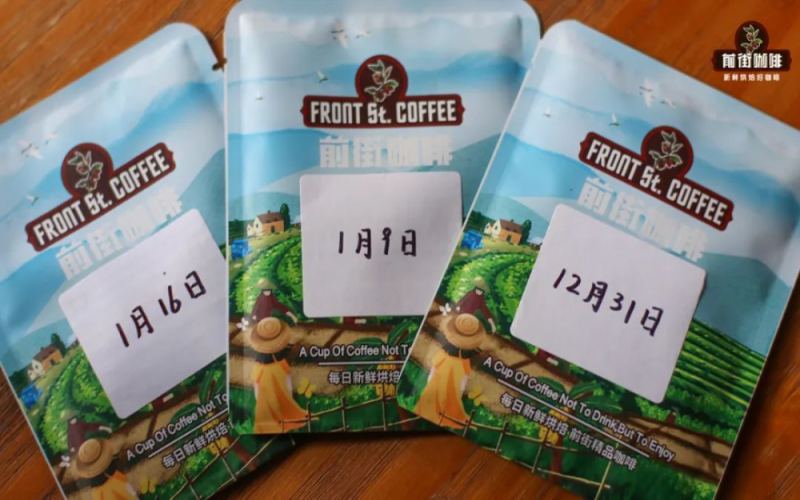
How long can ground coffee retain its flavor after grinding? Brewing performance and storage tips for pre-ground coffee for pour-over
Grinding coffee beans in advance is a compromise many coffee lovers make when conditions are limited. But how long ground coffee retains its flavor is something many people don't know. Front Street conducted a controlled experiment for this: the same Panama Boquete Geisha was ground and sealed separately, then brewed at 14 days, 21 days, and 30 days to observe the bloom expansion, foam state, drawdown speed, and final flavor. The results showed that with good sealing and minimal bag opening, ground coffee can still deliver clear floral and fruity notes about three weeks after grinding; after a full month, the aroma is almost gone, leaving only the basic taste of coffee. The article also offers practical advice on portioning and sealing at the end. [more…]
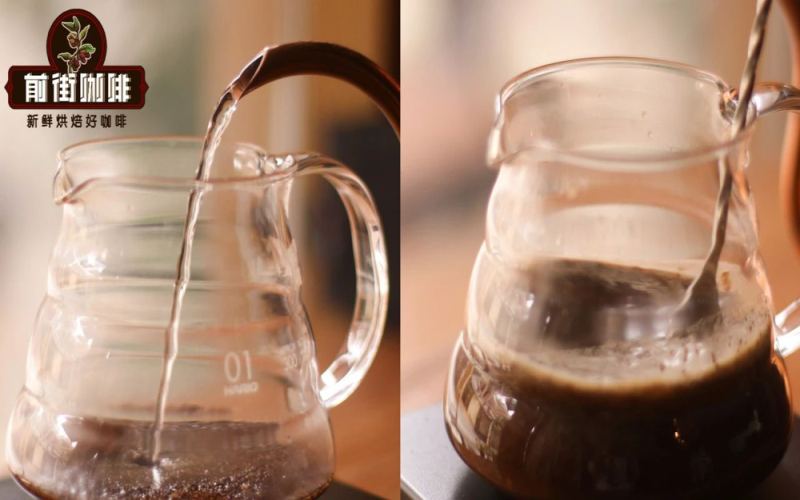
Cold Brew Coffee Making | Can Espresso Grounds Be Used for Cold Brew Black Coffee? What Is the Water-to-Coffee Ratio and Steeping Time for a Cold Brew Coffee Maker?
Cold brew coffee is arguably the easiest of all coffee extraction methods and requires no technical skill whatsoever, making it a way for any coffee novice to easily brew delicious iced coffee. Front Street Coffee has shared quite a few articles about various aspects of cold brew knowledge, and has also conducted studies of various scales on the parameters involved. [more…]
A Beginner's Guide to Pour-Over Drip Coffee: Equipment Selection, Brewing Steps, and Key Parameters Such as Water Temperature and Grind Ratio
Pour-over drip coffee may seem simple—just a dripper, a hand gooseneck kettle, filter paper, and a cup are all you need—but once you actually start brewing, you realize there are countless variables at play. This article begins with the basic equipment, then gradually introduces the standard brewing process, the interrupt-pour technique, advanced setups, and the five major variables, along with specific water temperature and grind size recommendations for light, medium, and dark roasts. Whether you're a beginner just getting into pour-over or an enthusiast looking to refine your technique, you'll find practical parameter references here. The article also covers methods for adjusting variables to suit your taste, key points for cleaning and maintenance, and practical approaches for making flavored coffee bases and super-concentrated iced coffee, and recommends related products from Front Street Coffee. [more…]
What exactly is cold brew coffee? From its origins to its making, one article to fully understand the difference between cold brew and iced coffee
Cold Brew Coffee, also referred to by some as cold-brewed coffee, ice-brewed coffee, or cold-steeped coffee. It involves putting ground coffee into room-temperature water, steeping and extracting for as long as 12 hours, then filtering out the coffee grounds; the resulting coffee liquid is cold brew, and it is also the most common type of iced coffee. Why is cold brew so well loved? It requires no pouring technique and has no water temperature requirements, making it practically a blessing for those who find pour-over coffee cumbersome. This article will comprehensively sort out every aspect of cold brew coffee, from its definition, historical origins, coffee bean selection, coffee-to-water ratio, grind size, to storage recommendations, and will also include Front Street's practical method to help you easily make a smooth, rich cup of iced coffee. [more…]
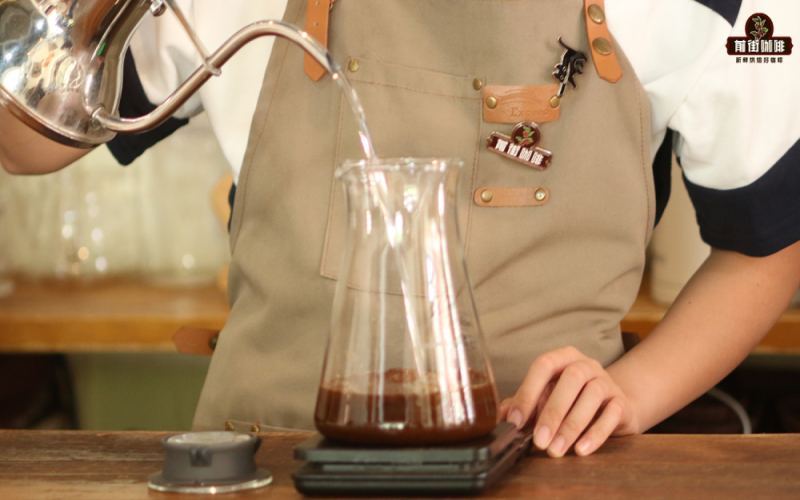
What Is Ice Drip Coffee? How Is It Different from Cold Brew? Front Street Coffee Geisha Cold Brew and Ice Drip Methods Explained in Detail
Although ice drip coffee and cold brew coffee both focus on low-temperature extraction, their brewing principles and taste profiles each have their own strengths. Cold brew relies on long soaking followed by filtering, making it relatively easy to do; ice drip, on the other hand, requires a dedicated drip device, with ice water passing through the coffee grounds drop by drop at an extremely slow rate, and this dynamic extraction brings a cleaner, clearer flavor. This article will detail the equipment structure, extraction principle, and taste characteristics of ice drip coffee, and use the Tiamo three-tier ice drip pot as an example to explain Front Street's ice drip brewing parameters, while also recommending a high-quality single-origin bean suited to ice drip—Front Street Butterfly. In addition, the article will share Front Street's specific cold brew coffee method, including key steps such as coffee-to-water ratio, grind size, and refrigeration time, to help you easily make refreshing summer iced coffee at home. [more…]